
Loading...
Serving Richmond, CA and surrounding areas. (510) 660-6710
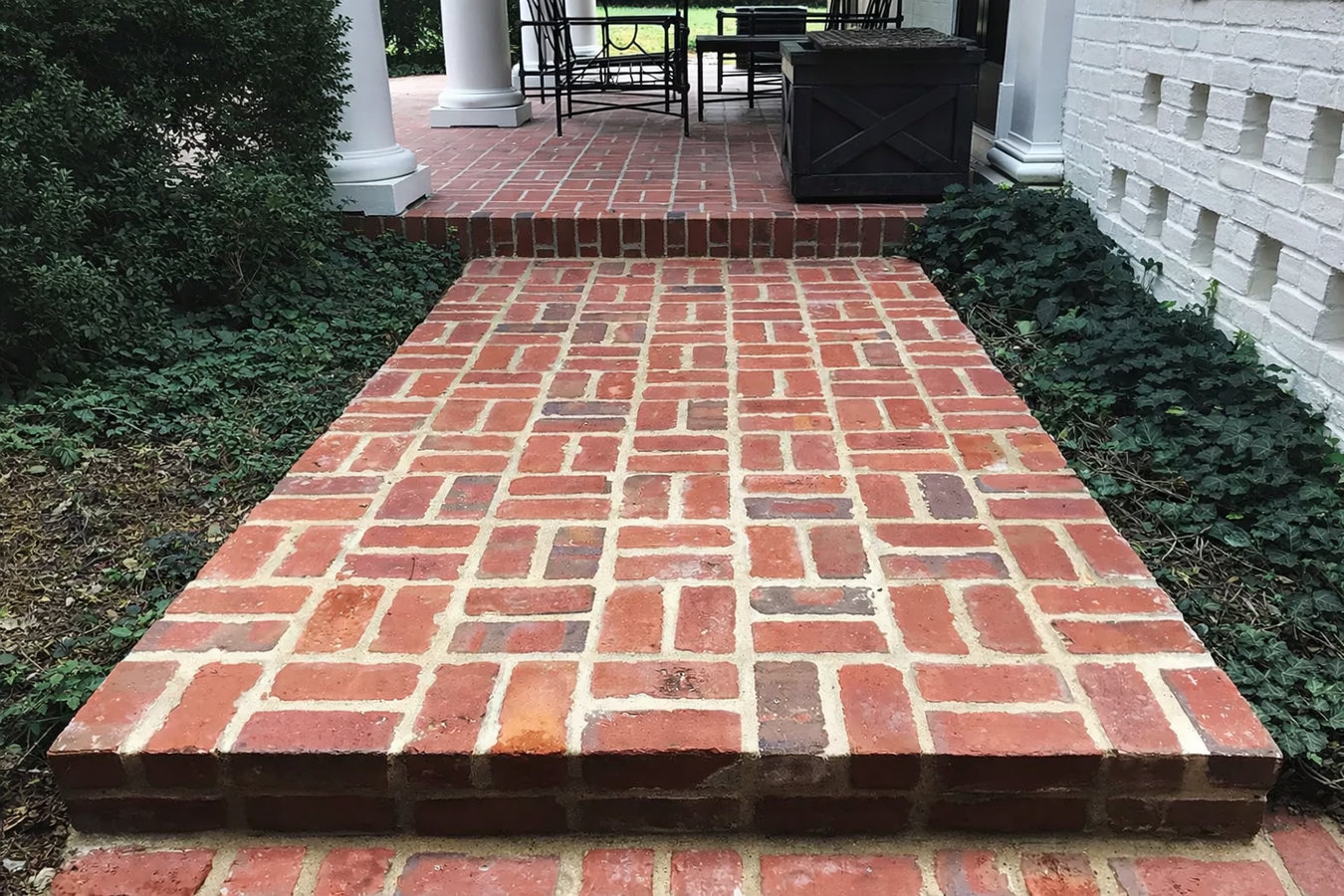
Cracked, uneven walkways are a trip hazard and a curb appeal problem. We build new walkways on properly compacted bases built for Richmond's clay soil, with drainage graded so water runs off instead of pooling - and permits handled so there are no surprises.
Walkway construction in Richmond, CA means digging out the existing soil, preparing a compacted gravel base, and installing the surface material you choose - concrete, brick, natural stone, or pavers - most residential projects take one to three days of active work once the site is ready.
A lot of Richmond's homes were built between the 1920s and 1960s, and the original walkways from that era were often laid directly on soil with little or no base preparation underneath. If your home is in an established neighborhood and the walkway is original to the house, there is a good chance you are looking at a replacement rather than a repair. Replacing it is the opportunity to build in proper drainage from the start - something the original builders likely skipped.
If your project also covers the driveway area, our driveway pavers service can be coordinated in the same scope so both surfaces share a consistent base preparation and design. The Interlocking Concrete Pavement Institute publishes installation standards for paver and base systems that reputable contractors follow to ensure long-term performance.
Small surface cracks can be cosmetic, but cracks that go all the way through the slab - or that are getting wider over time - mean the structure underneath has shifted. In Richmond, the clay-heavy soil in many neighborhoods expands and contracts with the seasons, and this movement is a common cause of through-cracks in older concrete walkways. Once a crack reaches that point, patching it is usually a short-term fix at best.
If one section of your walkway sits higher or lower than the one next to it, the base underneath has moved. This creates a trip hazard - especially for older family members or anyone carrying something - and it tends to get worse over time, not better. Uneven sections are one of the clearest signs that the walkway needs to be rebuilt rather than patched.
After a Richmond winter storm, take a look at your walkway. If water is sitting in low spots rather than draining to the side, the walkway was either built without proper slope or it has settled unevenly over the years. Standing water speeds up surface damage and can also work its way under the slab, making the base problems worse over time.
The edges of a walkway take more stress than the center, and crumbling edges are often the first sign that the material has reached the end of its useful life. In older Richmond homes where the original walkway may be 40 or 50 years old, this kind of edge deterioration is common. Once the edges go, the rest of the surface tends to follow.
Our walkway construction work covers every step: site assessment, permit application with the City of Richmond when required, demolition of the existing surface, soil excavation and grading, compacted gravel base installation, and finished surface installation in your choice of concrete, brick, concrete pavers, or natural stone. Drainage slope is built in from the start - not an afterthought - so water sheds to the side rather than sitting on the surface after Richmond's winter rains.
When a project extends from the walkway to an adjacent paved area, we can coordinate with our brick wall installation service if the design includes a low border wall or edging alongside the path. Projects that pair a new front walkway with a resurfaced driveway can also combine our driveway pavers work into the same site visit and estimate.
A cost-effective, durable choice suited to homeowners who want a clean, low-maintenance surface that holds up through Richmond's wet winters.
Right for homeowners who want a traditional look that fits older Richmond neighborhoods - individual bricks set in mortar or sand with joints that can be repaired without replacing the whole surface.
A flexible option well-suited to Richmond's clay soils - individual pavers can shift with seasonal soil movement and be reset without breaking out the entire path.
For homeowners who want a distinctive, high-end finish - flagstone or bluestone paths that complement period homes in neighborhoods like Point Richmond.
Richmond's clay soils expand when the winter rains arrive and shrink again every summer. That cycle repeats year after year and it puts real stress on rigid surfaces like concrete. It is one of the main reasons cracked and heaved walkways are so common in East Bay neighborhoods. A contractor who knows local soil conditions will build in a thicker gravel base - typically four to six inches deep - or recommend paver materials that flex with the ground rather than crack against it. This is not an upsell; it is the difference between a walkway that lasts decades and one that starts cracking within a few years. Homeowners in El Cerrito and San Pablo share these same soil conditions, and we build walkways in both cities using the same base standards we use in Richmond.
Richmond's wet season - typically November through March - also shapes the timing of walkway projects. Concrete and mortar need dry conditions to cure properly, so most contractors prefer to schedule new walkway work in spring or fall. If your home is in Point Richmond or the Marina Bay area, close enough to the waterfront that salt air is a real factor, the material and sealer choices matter too. Not every contractor volunteers this information unless you ask. We assess site-specific exposure conditions as part of the estimate so you get a surface that holds up in your actual environment, not a generic specification designed for a drier inland market.
We ask a few basic questions - walkway length, material preference, whether there is an existing surface to remove - then schedule a time to look at the site in person. Most written estimates follow within one business day of the visit.
We check the slope, drainage, and soil conditions on-site. If your project requires a City of Richmond permit - common when the walkway connects to a public sidewalk - we handle the application. Permit approval typically adds one to two weeks before work can begin.
The crew removes the old surface, excavates to the right depth, and installs a compacted gravel base. This is the most important part of the job - the base you never see is what determines how long the walkway lasts.
Surface material goes in, drainage slope is verified, and the site is cleaned before the crew leaves. We give you the specific timeline for when the surface is safe to walk on - concrete needs at least 24 to 48 hours; pavers can usually be used the same day.
Written quote, no obligation. Most Richmond homeowners hear back within one business day.
(510) 660-6710We size the gravel base for East Bay clay conditions, not a generic spec. That means thicker compaction layers and, where appropriate, paver materials that flex with seasonal soil movement rather than crack against it. The preparation work is what separates a walkway that lasts from one that needs patching every other year.
Every walkway we build is graded to shed water - typically about a quarter inch of slope per foot - so rain runs off to the side rather than pooling on the surface. Richmond's wet winters make this detail critical. A walkway without proper drainage will deteriorate faster and can direct water toward your foundation.
We know exactly what the City of Richmond requires for walkway projects that connect to public sidewalks or involve grading. We pull the permit, deal with the paperwork, and schedule any required inspections - you do not need to make a single trip to City Hall. Permitted work is also documented, which protects you if you sell your home.
Every job we take is done under a valid California contractor's license. You can verify our license in about two minutes on the CSLB website before you hire. Licensed contractors carry required insurance, which means you are protected if something unexpected happens on your property during the job.
These credentials matter because walkway work that looks fine on day one can fail within a few years if the base was not built correctly. Choosing a licensed, locally experienced contractor is the best way to protect your investment and avoid calling someone else to fix it two winters from now.
Add a low border wall or edging alongside a new walkway for a finished, defined look that complements the path.
Learn MoreCoordinate a new front walkway with a paver driveway replacement in the same project for consistent materials and base prep across your entire hardscape.
Learn MoreGet on the schedule before the rainy season returns. We provide written estimates with no obligation and handle permits from start to finish.