
Loading...
Serving Richmond, CA and surrounding areas. (510) 660-6710
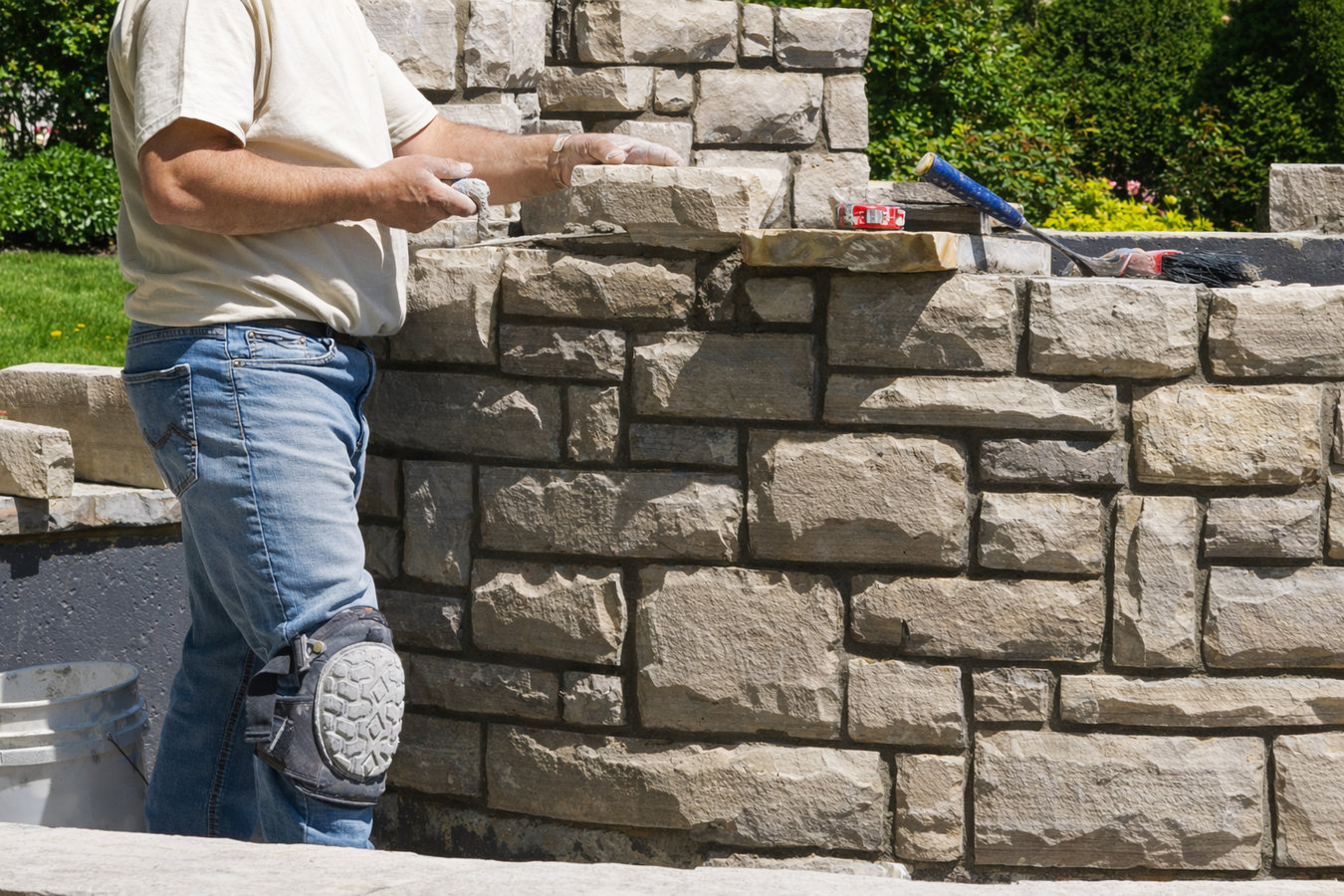
Stone walls, patios, and steps that last start with proper footings and drainage. We build and repair stone masonry across Richmond with the local soil conditions, seismic risk, and coastal moisture in mind - not as an afterthought.
Stone masonry in Richmond, CA covers building or repairing structures using natural or manufactured stone - garden walls, retaining walls, patios, front steps, and decorative veneers - with mortar joints tooled to match the surrounding work, and most repair jobs completed within one to two days.
Richmond has a large share of homes built between the 1920s and 1950s, and many of those properties still have original stone features showing their age - crumbling mortar, loose stones, or retaining walls that have started to lean. The work needed on older stone is different from a new-build project: mortar must be matched in strength and color so repairs blend in, and historic materials require a masonry contractor who knows how to work with softer, more porous stone without cracking it. If the underlying joints are failing but the stone is still sound, a brick pointing or repointing approach may be the right repair before any structural work is needed.
The Mason Contractors Association of America sets technical standards for stone masonry installation and repair that guide professional masons on material selection, mortar compatibility, and drainage design. In seismically active areas like the East Bay, those drainage and footing standards carry extra weight.
Run your finger along the joints between stones. If the mortar feels soft or sandy, or flakes away with light pressure, it has lost its strength. In Richmond's damp coastal climate this happens faster than inland - moisture works its way into joints and slowly pushes the mortar apart. Left alone, water will get behind the stones and cause much bigger problems.
A retaining wall that leans forward or shows a visible bulge is under pressure it cannot handle. Richmond's clay soils expand when the winter rains arrive, pushing against walls from behind. A leaning wall will continue to move until it fails - a collapse can damage your yard, a neighboring property, or anyone standing nearby.
If you can wiggle a stone in a wall or patio with your hand, the mortar holding it has failed. This is especially common in Richmond homes built before 1960, where original mortar has had decades to break down. Loose stones are a safety hazard and are far cheaper to fix now than after surrounding stones have come loose as well.
Richmond's clay soils shrink in the dry season and swell in the wet season, and that movement shows up as cracks in stone walls, patios, and steps. New cracks appearing in fall after a long dry summer, or in spring after heavy rains, are worth having a mason assess - they may be cosmetic, or they may point to a deeper structural problem.
Our stone masonry work includes the full scope of new builds and repairs: site assessment, permit handling with the City of Richmond where required, footing excavation and drainage integration, stone setting in mortar or dry-stack, joint tooling to match the existing profile, and site cleanup on completion. For new retaining walls and larger installations, we size footings for East Bay clay soil so seasonal ground movement does not push the structure out of alignment over time. If your project pairs stonework with adjacent hardscape, stone veneer installation can complement freestanding stone walls and give your home a cohesive look across different surfaces.
Older homes throughout Richmond often have stone steps, garden walls, or chimney bases that need repair rather than full replacement. When existing mortar is the main problem but the stone is still in good condition, we repoint the joints using a mortar mix compatible with the original material - so the repair holds without cracking the surrounding stone. This is especially important on pre-1950 homes where the original stone is softer and more porous than modern manufactured stone.
Right for yards with a slope that needs to be held back - requires engineered footings and drainage, and a permit from the City of Richmond for walls over a certain height.
Suited to homeowners who want a defined border, a decorative low wall around planting beds, or a freestanding feature that complements the front or backyard.
For outdoor living areas and front approaches where natural stone adds lasting character - built with the drainage needed to prevent settling or water pooling.
For Richmond properties with older stone features that are structurally sound but need mortar work, loose stone resets, or targeted replacement of damaged sections.
Richmond sits directly on the eastern shore of San Francisco Bay, and that location shapes what stone masonry work needs to do here. The persistent coastal fog and salt-laden air accelerate mortar deterioration faster than in inland California cities. Stone structures that might go 30 years without mortar attention in Sacramento often need care after 15 to 20 years in Richmond. The combination of marine moisture and the expansive clay soils common throughout the East Bay means any stone wall or patio built here must account for both drainage and seasonal ground movement from the start, or it will start failing long before it should. Homeowners in San Pablo and El Cerrito face the same soil and climate conditions, and we work in both communities regularly.
Richmond also has a large share of homes built between the 1920s and 1950s - many during the wartime shipbuilding boom - and a lot of the original stone features on those properties have never been properly repaired. Working on that older masonry requires matching materials and using mortar that is softer than what is used in new construction. Applying modern high-strength mortar to historic stone can cause the stone itself to crack, because the mortar ends up harder than the material around it. The National Park Service Preservation Briefs cover this in detail for historic masonry - the same principles apply to Richmond's older residential stone.
We ask a few basic questions - what you are seeing, where the stone is, and roughly how old the structure is. We respond within 1 business day and schedule a time to look at the work in person, because stone masonry is difficult to quote accurately from a photo alone.
We walk the site, check the stone and mortar condition, look at drainage, and ask about any history you know. You get a written estimate that breaks down what will be done and what it costs - including whether a permit is required for your project.
For larger jobs like retaining walls, we handle the permit application with the City of Richmond before work begins. Permit review typically adds a few weeks to the start date - we manage the paperwork so you do not have to.
Expect noise from cutting tools and some dust in the work area. We update you at the end of each day, clean up the site when the job is done, and walk you through the finished work before we leave. Fresh mortar needs 24 to 48 hours before foot traffic and several weeks to reach full strength.
Free written estimate. We respond within 1 business day. No obligation, no pressure.
(510) 660-6710Richmond's expansive clay soils are a specific engineering problem, not a generic one. We size footings and integrate drainage on every stone project with East Bay ground conditions in mind - so your wall or patio does not shift when the soil cycles through wet and dry seasons.
Using mortar that is too hard for older stone is one of the most common mistakes in masonry repair - it causes the stone itself to crack. We assess the existing material and select a compatible mortar mix before any work begins, which matters especially on Richmond's pre-1950 homes.
California requires masonry contractors to hold a valid C-29 license from the Contractors State License Board. You can verify any contractor's license on the CSLB website before signing anything - it confirms they are insured and in good standing. We carry ours and encourage you to check it.
The Hayward Fault runs through the East Bay, and Richmond sits in a high seismic hazard zone. Structural masonry here needs to be designed with that in mind. We build retaining walls and freestanding walls to handle ground movement, not just static load - because a wall that survives the next shake is worth far more than one that looks good on installation day.
These proof points add up to one thing: stone masonry work that holds up under Richmond's specific conditions - coastal moisture, clay soil movement, and seismic risk - rather than work that looks good on day one and starts failing when those forces kick in.
Mortar joint repair and repointing for brick and stone structures - restores the seal between masonry units without replacing the surrounding material.
Learn MoreThin stone panels applied to exterior and interior walls - a lighter alternative to full stone masonry that delivers a similar finished appearance.
Learn MoreRichmond's rainy season puts real pressure on stone walls and mortar - the sooner you address it, the simpler and less expensive the repair.