
Loading...
Serving Richmond, CA and surrounding areas. (510) 660-6710
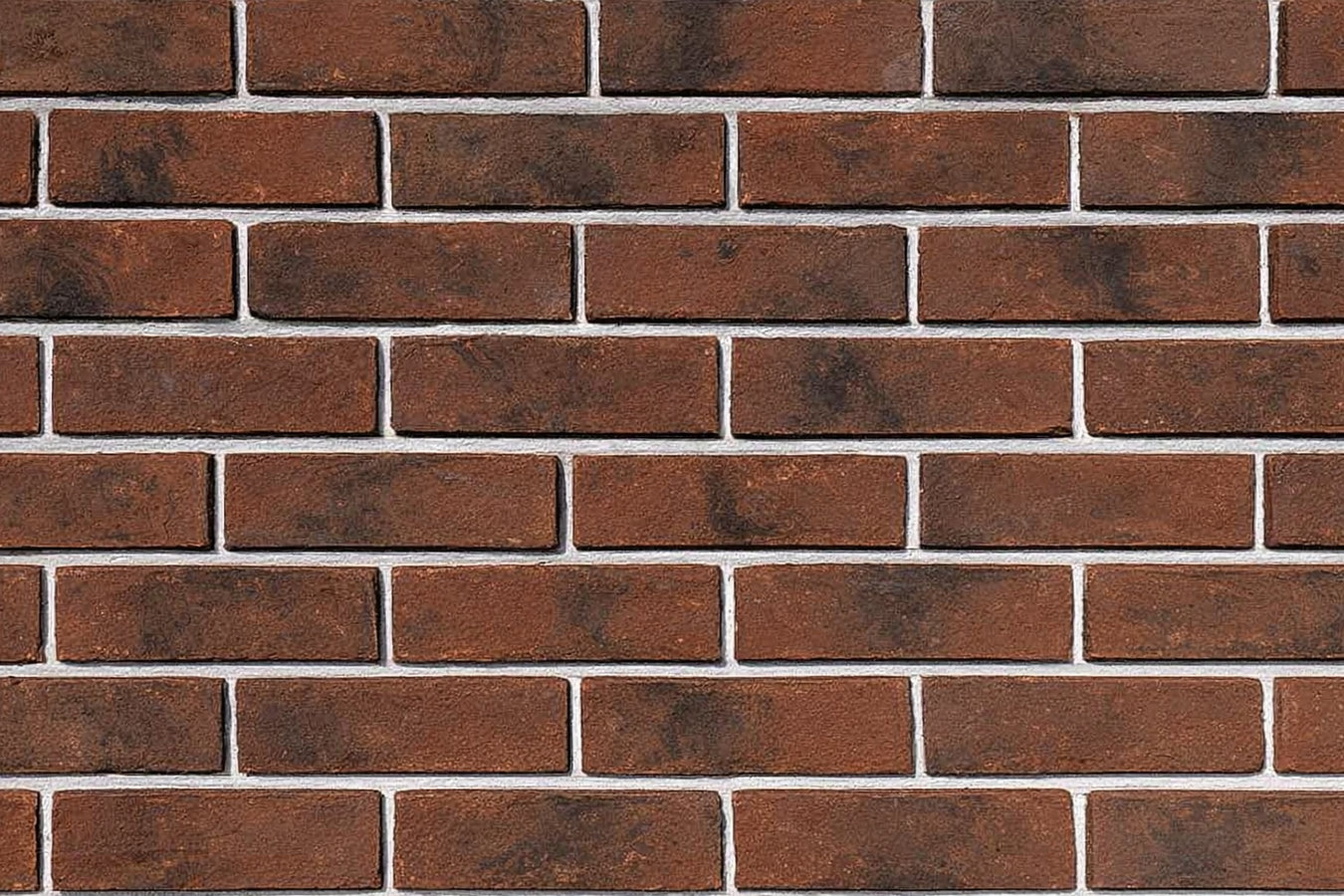
A brick wall is only as solid as its footing and its mortar. We install garden walls, privacy walls, and retaining walls with seismic reinforcement, footings built for Richmond's clay soil, and permits pulled before a single brick goes down - no shortcuts.
Brick wall installation in Richmond, CA means digging and pouring a concrete footing, then laying individual bricks course by course in mortar, with each row checked for level before the next begins - most straightforward garden walls or short retaining walls take two to four days of active work once the permit is in hand.
Richmond has a large share of homes built between the 1920s and 1950s, and many properties still have existing brick walls or planters from that era. If you are replacing or extending an old wall, a mason needs to assess whether the existing footing is still sound and whether the old brick can be matched. This is a common situation in neighborhoods like Point Richmond and Pullman, where homes and their original masonry have been standing for decades. If the mortar between existing bricks has crumbled but the structure is otherwise sound, targeted repairs using our brick repair service may be the right approach before committing to a full rebuild.
The Brick Industry Association publishes technical guidance on brick masonry construction standards that reputable masons follow for material selection, mortar mix, and joint detailing. For walls in seismically active areas like the East Bay, their guidelines on reinforced masonry are particularly relevant.
Small hairline cracks in mortar joints are normal over time, but cracks that run diagonally across multiple bricks - or gaps wide enough to slip a coin into - signal something more serious. In Richmond, this pattern often appears after a wet winter followed by a dry summer, as the clay soil beneath the wall expands and contracts. If you are seeing this, it is worth having a mason look at the footing before the problem gets worse.
A wall that has started to tilt - even slightly - is no longer structurally sound and can be a safety risk, especially if children or pets are nearby. Leaning is often caused by soil pressure building up behind a retaining wall, or by a footing that has settled unevenly. This is not a cosmetic issue you can wait on - a leaning wall should be assessed by a professional promptly.
Run your hand along the joints between bricks. If mortar crumbles away easily or sounds hollow when you tap it, the wall has lost much of its binding strength. Richmond's foggy, damp winters accelerate this kind of mortar deterioration, especially in walls that face north or sit in shade. A mason can often repair this with tuckpointing if caught early, but if the damage is widespread, a full rebuild may be more cost-effective.
If sections of an old wall have collapsed or you have no barrier where you need one - privacy from a busy street, a property line definition, or a slope that needs to be retained - a new brick wall is the solution. Richmond's denser residential neighborhoods make privacy walls a practical investment, and a retaining wall can open up a sloped yard for planting, patios, or other uses.
Our brick wall installation work covers the full scope: site assessment, permit application with the City of Richmond, footing excavation and concrete pour, steel reinforcement installation for seismic compliance, brick laying course by course with mortar joints tooled to a consistent finish, and site cleanup when the work is done. We match brick to your home's existing character where that matters - in an older Richmond neighborhood, a wall that looks out of place is just as much a problem as one that was not built correctly.
When a new wall is part of a larger hardscape project, we can coordinate the brick wall with adjacent stone masonry work or combine the wall build with brick repair on existing structures so the overall project is completed in one mobilization rather than multiple separate visits.
Suited to homeowners who want a defined border for planting beds, a low retaining edge for a raised garden, or a decorative feature that complements the front or backyard.
For homeowners in Richmond's denser neighborhoods who want to separate their backyard from a busy street, a neighboring property, or an open lot - built at the height and with the brick style that fits your home.
Right for yards with a slope that needs to be held back for a planting area, patio, or driveway - requires more engineering than a freestanding wall and always needs a permit in Richmond.
For Richmond properties with older brick walls that are structurally sound but need mortar work, replacement of damaged sections, or extension to a new length - assessed and matched to the existing materials.
The East Bay is one of the most seismically active parts of the country. The Hayward Fault runs just a few miles from Richmond, and California requires that most new masonry walls in this region include steel reinforcement inside them - metal rods set into the footing and running up through the wall - so the structure can absorb ground movement rather than crack and collapse. Any reputable local contractor builds to this standard automatically. It is not optional, and a wall built without it is not just poorly built - it is a safety hazard. Beyond seismic design, Richmond's clay-heavy soils mean footings need to be dug deep enough to reach stable ground beneath the seasonal expansion and contraction zone. Homeowners in Berkeley and Oakland face the same soil and seismic conditions, and we build walls in both cities to the same reinforcement and footing standards we use in Richmond.
Richmond's persistent marine fog also slows mortar curing, which is something a good local mason plans around rather than ignores. Fresh work is sometimes covered with burlap or plastic sheeting overnight during foggy stretches to protect the mortar while it sets. And because a large share of Richmond's homes were built between the 1920s and 1950s, matching brick to existing structures is a real concern in many neighborhoods. A contractor who knows the local housing stock understands which brick suppliers carry period-appropriate materials and can give you an honest assessment of whether a new wall will look like it belongs or like it was installed last week by someone who did not notice what surrounds it.
We start with a few basic questions - what the wall needs to do, how long and tall you are thinking, whether there is an existing structure to assess. We then come to your property in person to look at the site, check soil and slope conditions, and measure the space. A written estimate follows within one business day.
For most new brick walls in Richmond above a few feet tall, we apply for a building permit through the city before any work begins. We handle the application and follow up with the city on your behalf. Approval typically takes two to four weeks - factor this into your timeline from the start.
Before a single brick goes down, we dig a trench and pour the concrete footing the wall will sit on. Steel reinforcement goes in at this stage. The footing cures for a day or two before brick laying begins - this is the foundation that determines how the wall performs over decades.
The mason sets each row in mortar, checks for level, and allows it to firm up before the next row. When the last brick is laid, we clean the wall, remove waste materials, and schedule any city inspection required by the permit. The wall needs about a week before it is safe to lean on and reaches full strength over the following weeks.
No obligation. We respond to most Richmond inquiries within one business day and handle permits from start to finish.
(510) 660-6710Every brick wall we install in the East Bay includes the steel reinforcement required by California's building standards for this seismic zone. We do not offer an unreinforced option and then ask if you want to add reinforcement - it is part of the standard build. A wall without it is not built to code in Richmond and is a liability, not an asset.
Much of Richmond sits on expansive clay soil that swells when wet and shrinks when dry. We dig footings to the right depth for East Bay conditions - reaching stable ground below the seasonal movement zone - so the wall does not crack or shift as the soil cycles through Richmond's wet and dry seasons.
We submit the permit application, follow up with the City of Richmond, and schedule any required inspections. You do not need to deal with the paperwork or make a trip to City Hall. Fully permitted work is also documented in the city's records, which protects you when you sell your home and ensures the work was inspected by an independent party.
Richmond's older neighborhoods have a specific character, and a wall that clashes with your home or the block around it stands out for the wrong reasons. We source brick that complements your existing structure - whether that is a classic look suited to a 1940s bungalow in the Iron Triangle or a cleaner contemporary finish for a newer Hilltop property.
These are the details that separate a wall that is still standing and solid in 50 years from one that starts cracking or leaning within a few rainy seasons. If you are investing in a permanent masonry structure, the contractor you choose matters more than any other single decision in the project.
Pair a new brick wall with stone masonry accents or build an adjacent stone feature that shares the same footing preparation and project mobilization.
Learn MoreIf your existing wall is structurally sound but needs mortar work or damaged section replacement, targeted brick repair may be the right approach before committing to a full rebuild.
Learn MoreBrick wall projects in the East Bay often have a four to eight week lead time once permits are factored in. Reach out today and we will give you a clear timeline and a written estimate with no obligation.