
Loading...
Serving Richmond, CA and surrounding areas. (510) 660-6710
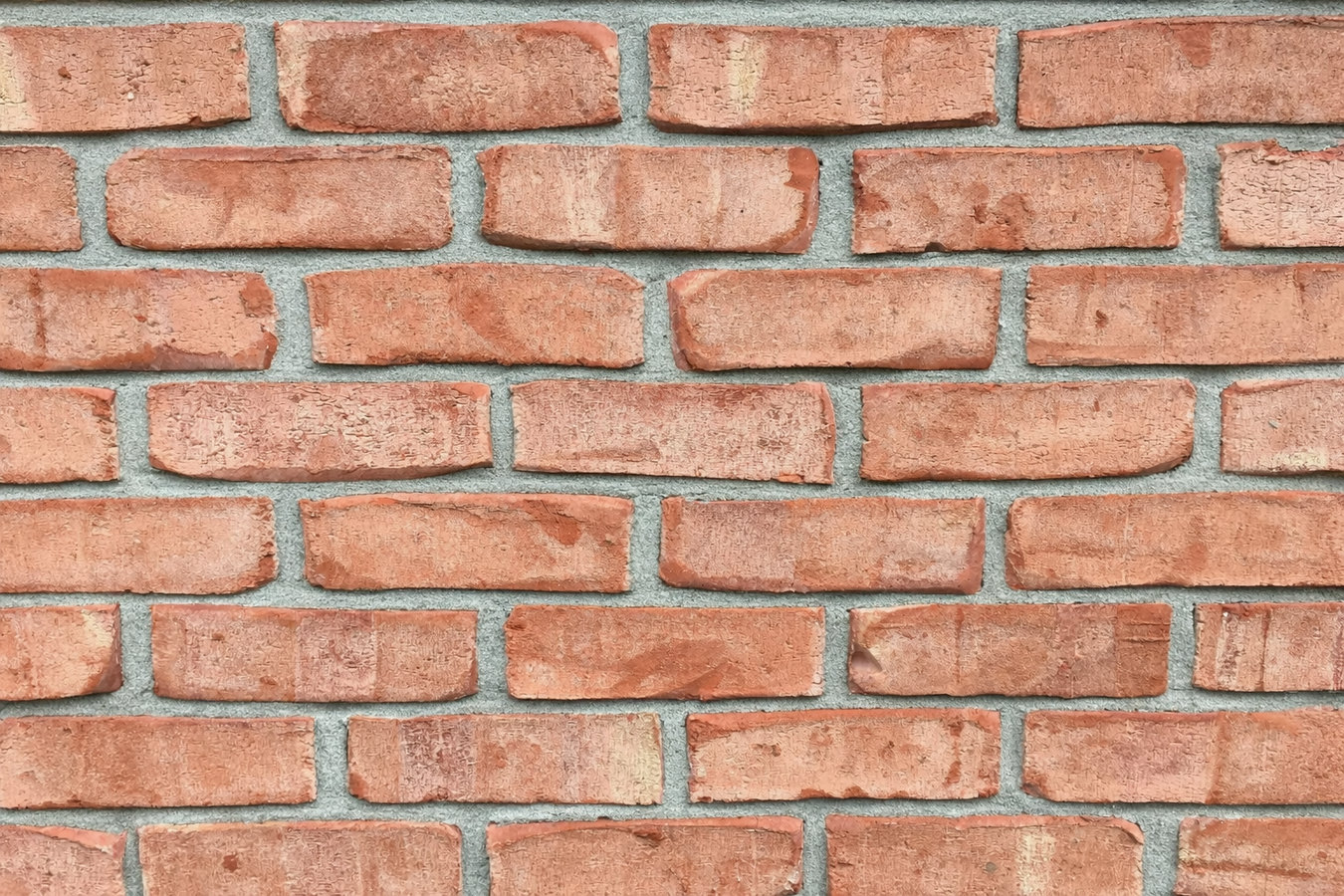
Crumbling mortar lets water into your walls. We grind out the old joints, match the color, and pack in fresh mortar that keeps Bay Area moisture where it belongs - outside.
Tuckpointing in Richmond, CA means removing deteriorated mortar from brick and stone joints and packing in fresh, color-matched mortar to restore the seal. Most residential jobs - a chimney, an exterior wall section, or a garden border - wrap up in one to three days.
Mortar is softer than brick by design - it absorbs stress so the bricks around it do not crack. That softness also means it weathers faster, typically needing attention after 20 to 30 years. In Richmond the salt air and coastal moisture from the Bay accelerate that timeline. When the joints go, water follows - and water in your walls leads to much bigger repair bills. Catching it at the mortar stage means the bricks themselves stay solid. If any of those bricks have already started to deteriorate, our brick repair service handles that alongside the repointing work.
The Brick Industry Association notes that mortar is intentionally designed to be the sacrificial element in a masonry wall - it takes the damage so the bricks do not have to. Keeping it in good shape is straightforward maintenance, not a luxury.
Run a finger along your chimney or exterior wall joints. If the mortar feels sandy or flakes away, it has lost its binding strength. This is the clearest early sign - and the easiest time to fix it before water gets in.
Those chalky streaks are called efflorescence - salt left behind as water moves through failing joints. In Richmond's salt-air environment this can develop faster than in drier inland cities. It means moisture is already traveling through your wall.
Step back and look at your brick wall from a few feet away. Dark gaps where mortar used to sit, or joints that look noticeably sunken compared to the rest, mean water is already entering those voids. Richmond's rainy season will drive it deeper.
Hairline cracks running along joints - not through the bricks - are a classic sign of mortar failure, especially in homes near the Hayward Fault where minor ground movement is routine. These are often repairable with tuckpointing alone if caught before the next rainy season.
Our tuckpointing work covers chimneys, exterior brick walls, garden and retaining borders, steps, and any masonry surface where mortar joints have deteriorated. We grind or chisel the old mortar to the right depth - a shallow scrape bonds poorly and fails quickly - then pack in fresh mortar matched to your existing joints in color, texture, and hardness. For older Richmond homes, hardness matching matters: a modern, overly rigid mortar mix applied to a pre-1950s wall can crack the bricks rather than protect them.
Where mortar failure has gone further and individual bricks have cracked or started to spall, we handle brick repair alongside the repointing work so you do not need two separate contractors. We also address brick pointing - the finishing step that profiles each joint so rain sheds cleanly rather than pooling at the surface.
Best for homeowners with a chimney that hasn't had mortar attention since the home was built - chimneys take the most weather exposure of any brick structure on your property.
Suits homes where the exterior brick facade shows widespread mortar erosion, especially common in Richmond's pre-1960 housing stock near the waterfront.
Ideal for freestanding brick borders and retaining walls where mortar has eroded due to ground moisture and seasonal soil movement.
Right for newer or well-maintained walls with isolated deterioration in specific sections - keeps costs down while sealing the problem areas.
Richmond's position on the eastern shore of San Francisco Bay means homes here face conditions that inland cities simply do not. Salt-laden air, persistent coastal fog, and high humidity work together to break down mortar faster than the 20-to-30-year lifespan you might read about in general guides. Salt crystals work into hairline cracks, expand as they dry, and gradually push the mortar apart from the inside. A large portion of Richmond's housing stock was built during the World War II shipyard boom - homes that have likely never been repointed and whose original mortar is well past its useful life. Homeowners in Berkeley and El Cerrito deal with similar coastal exposure and aging brick from the same era.
Seismic activity is the other local factor. Richmond sits near the Hayward Fault, and ground movement - even minor everyday settling in earthquake country - puts stress on masonry joints over time. Mortar that is too rigid will crack again quickly when the ground shifts. That is why the mix we use for an older Richmond home is not the same as what we would use on a newer structure: matching mortar hardness to the existing brickwork is not a detail, it is what makes the repair last. The International Masonry Institute covers this in depth for contractors working on historic and older masonry.
Call or submit the form and we will get back to you within one business day. We will ask a few basic questions - what surface, roughly how large, when you last had any work done. You do not need to know the technical terms.
We come out, probe the joints, and check the full condition - mortar depth, brick health, any structural concerns. You get a written estimate with scope and total cost before any decision is required.
The crew removes old mortar to the right depth - usually around three-quarters of an inch - using grinders or hand chisels. Fresh, color-matched mortar is pressed firmly into each joint and tooled to match the existing profile. Most jobs finish in one to two days.
We clean mortar residue off the brick face, remove all debris, and walk the job with you before we leave. New mortar needs 24 to 48 hours before it should get wet - we will advise on curing care and flag anything else we spotted during the work.
Free written estimate. No pressure, no upselling. We will tell you exactly what the job needs.
(510) 660-6710Older Richmond homes - especially those built before 1950 - need a softer, more flexible mortar mix that moves with the structure rather than against it. Using a modern hard mix on an older wall can crack the bricks. We assess the existing material and choose a compatible mix before we start.
California requires all masonry contractors to hold a valid license from the Contractors State License Board, which you can verify in about 30 seconds online. We are fully licensed and insured to work on Richmond homes. You should not have to take anyone's word for it.
We test a sample patch and let it cure before committing to the full job - mortar shifts color as it dries, and a mismatch is visible every time you look at your house. The finished joints should blend in, not call attention to where the work was done.
Working near the Hayward Fault means understanding how ground movement affects masonry. We do not just patch over cracks - we assess whether the movement causing them needs to be addressed first, so the repair holds rather than cracking again after the next tremor.
Every one of these points comes down to one thing: a repair that holds. Tuckpointing done right lasts decades - done carelessly, it fails within a few seasons and leaves water to do the damage it was supposed to prevent.
When bricks themselves have cracked, spalled, or shifted, we replace the damaged units and repoint the surrounding joints for a lasting fix.
Learn MoreThe finishing step after new mortar is applied - profiling each joint so water sheds cleanly instead of pooling at the surface.
Learn MoreMortar that looks marginal now will let water in all winter. Call us today for a free written estimate and get it sealed before the rains arrive.