
Loading...
Serving Richmond, CA and surrounding areas. (510) 660-6710
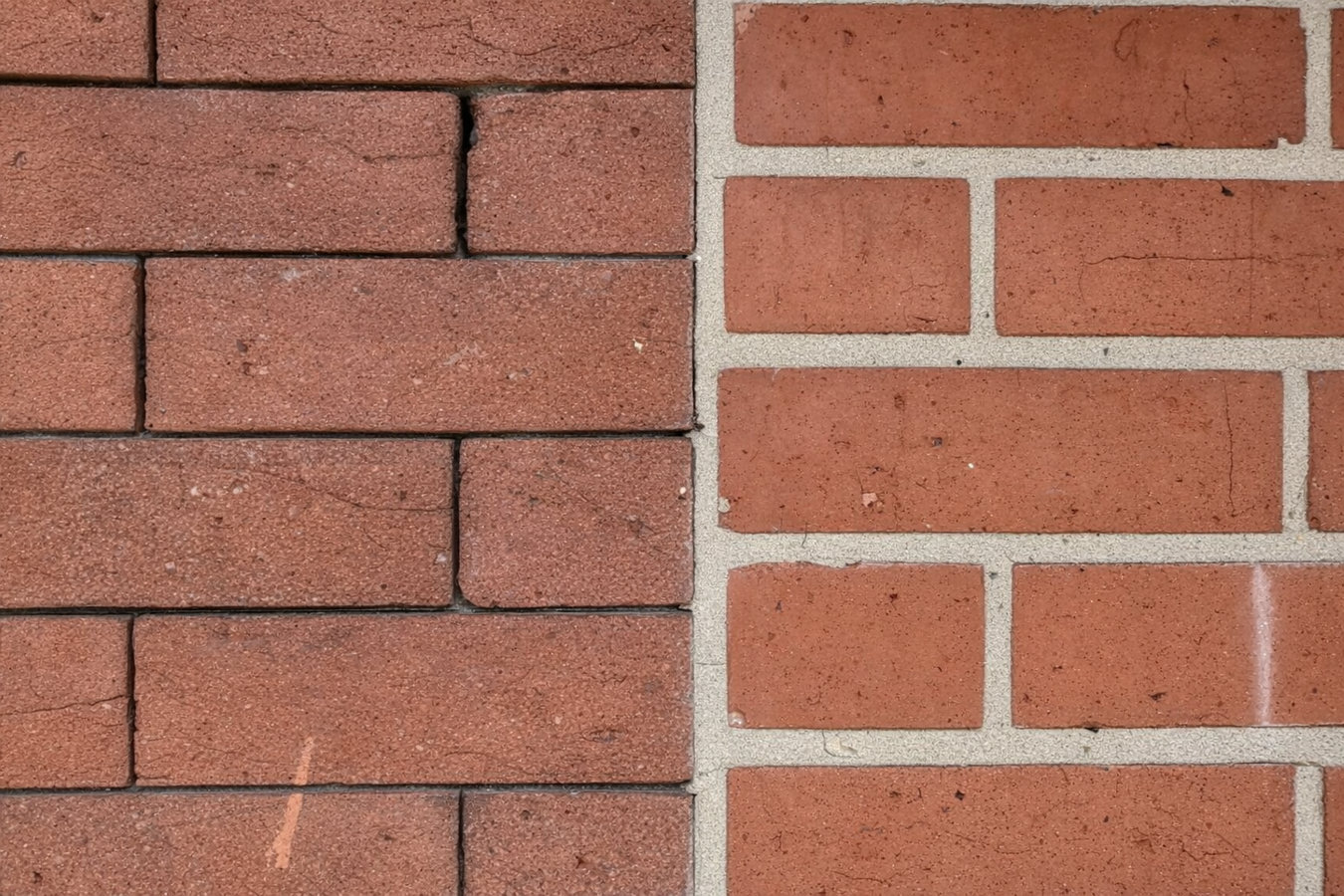
Crumbling mortar joints let Bay Area moisture into your walls. We remove the old material properly, pack fresh mortar to the right depth, and match the color to your existing brickwork - so the repair holds and blends in.
Brick pointing in Richmond, CA is the process of removing old, crumbling mortar from the joints between bricks and replacing it with fresh mortar - restoring the seal that keeps water out, with most small-to-mid-size jobs completed in one to two days once the work begins.
Richmond has a large number of homes built in the 1940s and 1950s - many during the wartime shipbuilding boom - and on those properties, the original mortar has often never been replaced. At 70 to 80 years old, that mortar is well past its expected lifespan. The coastal fog and salt air that come with living near the Bay accelerate the breakdown, so visible crumbling or gaps are a sign that water is already finding a way in. Letting it continue leads to brick spalling, interior water stains, and eventually water damage behind the wall that costs far more to fix than the pointing work itself. If the bricks themselves have already cracked or spalled, our foundation repair and masonry restoration services can address the broader structural damage alongside the repointing work.
The Brick Industry Association publishes technical standards for mortar selection and repointing methods that qualified masons follow - including guidance on matching mortar strength to the age and softness of existing brick, which is especially important on Richmond's older housing stock.
Run your finger along the lines between your bricks. If the mortar feels soft, sandy, or flakes away with light pressure, it has lost its strength. This is the clearest sign that repointing is overdue, and any homeowner can check it themselves in five minutes. In Richmond's damp coastal climate, this failure happens faster than in drier inland cities.
Stand back and look at your brick wall or chimney from a few feet away. If the mortar lines look sunken, uneven, or have visible cracks running through them, water is already finding its way in. Richmond's persistent fog means even small gaps let in enough moisture to cause damage over a wet season.
A chalky white residue on the face of your bricks - called efflorescence - is a sign that water is moving through the wall and carrying dissolved salts to the surface. Richmond's proximity to the Bay means salt is already in the air. When it combines with moisture moving through failing joints, this staining appears - it tells you water is getting in somewhere.
If you notice damp spots, discoloration, or peeling paint on interior walls that share a surface with exterior brick, water is likely entering through deteriorated mortar joints. This is especially common in Richmond homes built in the 1940s and 1950s. Do not wait on this one - water inside the wall causes damage that costs far more to fix than the repointing itself.
Our brick pointing work covers the full process: grinding or chiseling out the old mortar to the right depth - at least three-quarters of an inch for a solid bond - packing fresh mortar by hand in sections, tooling the joint surface to match the original profile, and cleaning mortar smears from the brick face as we go. We select the mortar mix based on your brick type and the age of your home, because using a mix that is too hard for older Bay Area brick can crack the bricks themselves. Every job also includes a close look at the surrounding masonry to catch any adjacent issues before they become a separate repair call. If your chimney needs repointing alongside the exterior work, we can address both in a single visit rather than scheduling two separate jobs.
For properties where the pointing work is part of a broader restoration, we coordinate the repointing schedule with any masonry restoration or structural repair work so the project is completed in the right order - structure first, then surface sealing.
For homes where mortar joints on one or more walls have softened or crumbled - most common in Richmond properties built before 1960 that have never had the original mortar replaced.
For chimneys where weathered joints are allowing moisture down into the flue or the surrounding wall - often caught during a chimney inspection or after a leaky winter.
For freestanding walls where joint failure is allowing water to saturate the soil side and accelerate further deterioration - also appropriate before a wall is painted or sealed.
For properties where most joints are in good shape but a few sections - around a window, near a downspout, or along a foundation line - show isolated failure and need targeted attention.
Richmond sits directly on San Francisco Bay, and the persistent coastal fog and salt-laden air are harder on mortar joints than nearly any other climate condition in California. Mortar that might last 40 years in Sacramento can show serious wear in 20 to 25 years here - and much of Richmond's housing stock was built in the 1940s with mortar that has never been replaced. The Hayward Fault also runs through the East Bay, and even small tremors cause tiny movements in a home's structure over time, stressing joints that are already softening from moisture exposure. A home near the Bay that also sits in a high seismic zone is dealing with two separate forces working on its mortar simultaneously. Homeowners in Berkeley and Oakland face the same combination of marine moisture and seismic stress, and we work in both cities as part of our regular service area.
California requires masonry contractors to hold a valid C-29 license from the Contractors State License Board. Before anyone starts work on your home, you can look up their license number on the CSLB website to confirm they are legitimate and insured. Hiring an unlicensed contractor in California puts you at risk if something goes wrong - you may have no legal recourse and could be held liable for injuries on your property.
We ask where the brickwork is, how much looks damaged, and whether you have noticed any water getting inside. We respond within 1 business day and schedule a free in-person visit - you are not committing to anything by making that first call.
We walk the affected area, get close to the wall, and probe the joints to understand how deep the damage goes. We look at the brick type, existing mortar color and texture, and any signs of water damage. You receive a written estimate that explains the scope, timeline, and cost.
Move planters, patio furniture, and anything stored against the house before we arrive. We use grinders or chisels to remove old mortar - expect noise during work hours. We then pack fresh mortar by hand, working in sections, and tool each joint to match the original profile.
We clean up debris at the end of each day. When the job is complete, we walk you through the finished work - clean, fully packed joints that blend with the surrounding brickwork. Fresh mortar needs 24 to 48 hours before getting wet and about a week to reach full strength.
Free written estimate. We respond within 1 business day. No surprise charges - what we quote is what you pay.
(510) 660-6710Applying modern high-strength mortar to older Bay Area brick is one of the most common mistakes in repointing work - it causes the brick to crack instead of the joint. We assess your existing materials first and select a compatible mix, especially important on Richmond's pre-1960 housing stock.
Rushing the removal step - or not going deep enough - is how repointing fails within a few years. We grind or chisel old mortar to the proper depth before packing anything new, because a shallow joint cannot hold. This is the step most often cut when a contractor is moving too fast.
Richmond's proximity to the Hayward Fault and the Bay means mortar joints here handle more stress than most. We choose mortar profiles and mixes that allow the wall to flex slightly with seismic movement rather than crack at the joints - so the next minor shake does not undo the repair.
One of the most frustrating things about hiring a contractor is getting a number on the phone and a bigger invoice at the end. You get a written estimate that spells out exactly what is included before any work begins - scaffolding, cleanup, and all. What we quote is what you pay unless you ask for additional work.
Good brick pointing is slow, careful work - the kind that holds for 25 or more years rather than the kind that looks fine on the day but fails by the next rainy season. That is the standard we hold every job to.
Structural repair for foundations showing cracks, settling, or water infiltration - often needed alongside repointing when water has been entering through failing joints for an extended period.
Learn MoreFull-scope restoration of brick and stone structures - cleaning, repointing, spalled brick replacement, and surface treatment for older homes and walls needing comprehensive attention.
Learn MoreOur calendar fills up fast heading into the wet season - call now to lock in your date before the next round of rain does more damage.